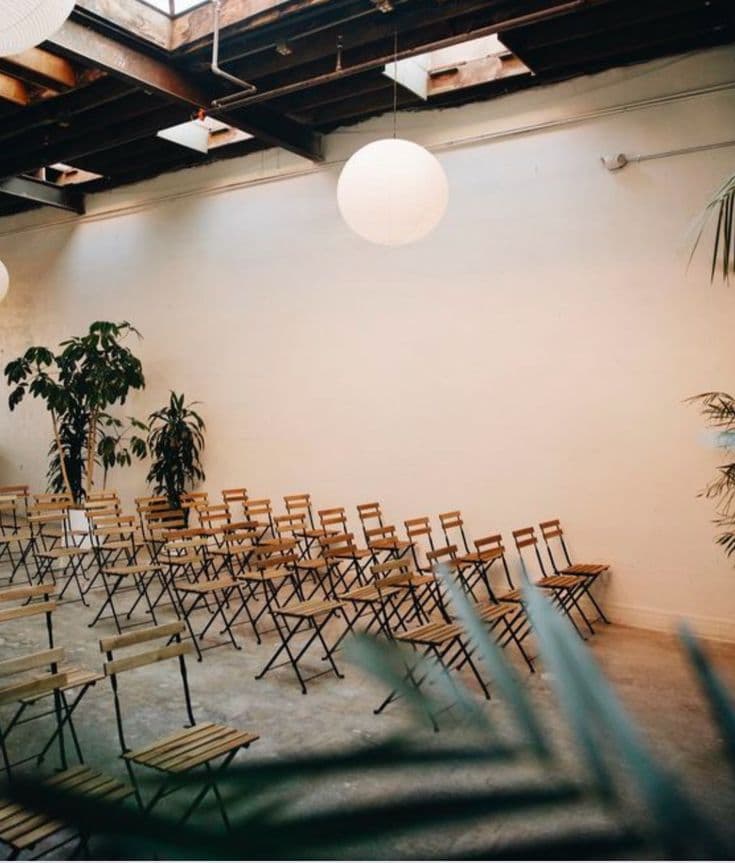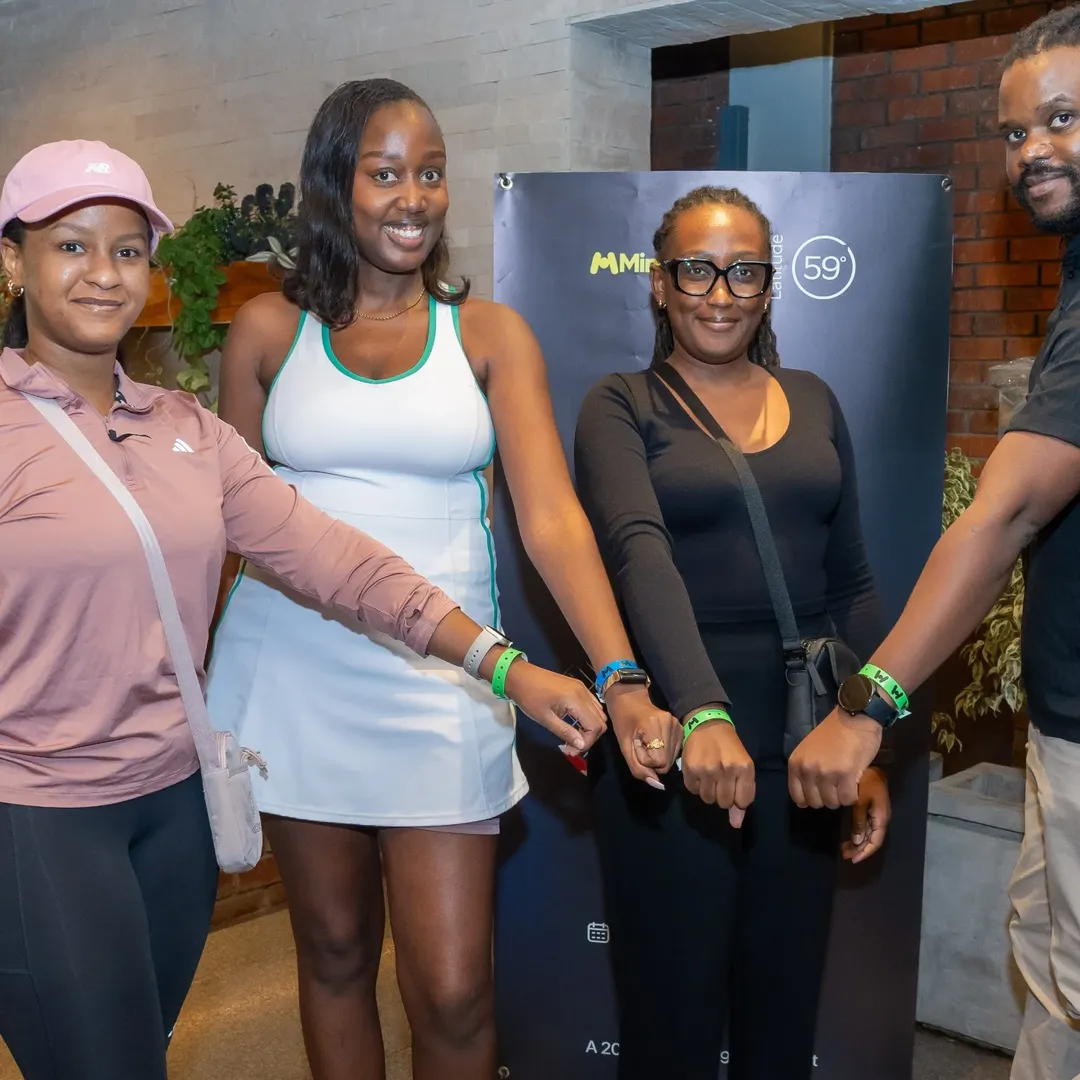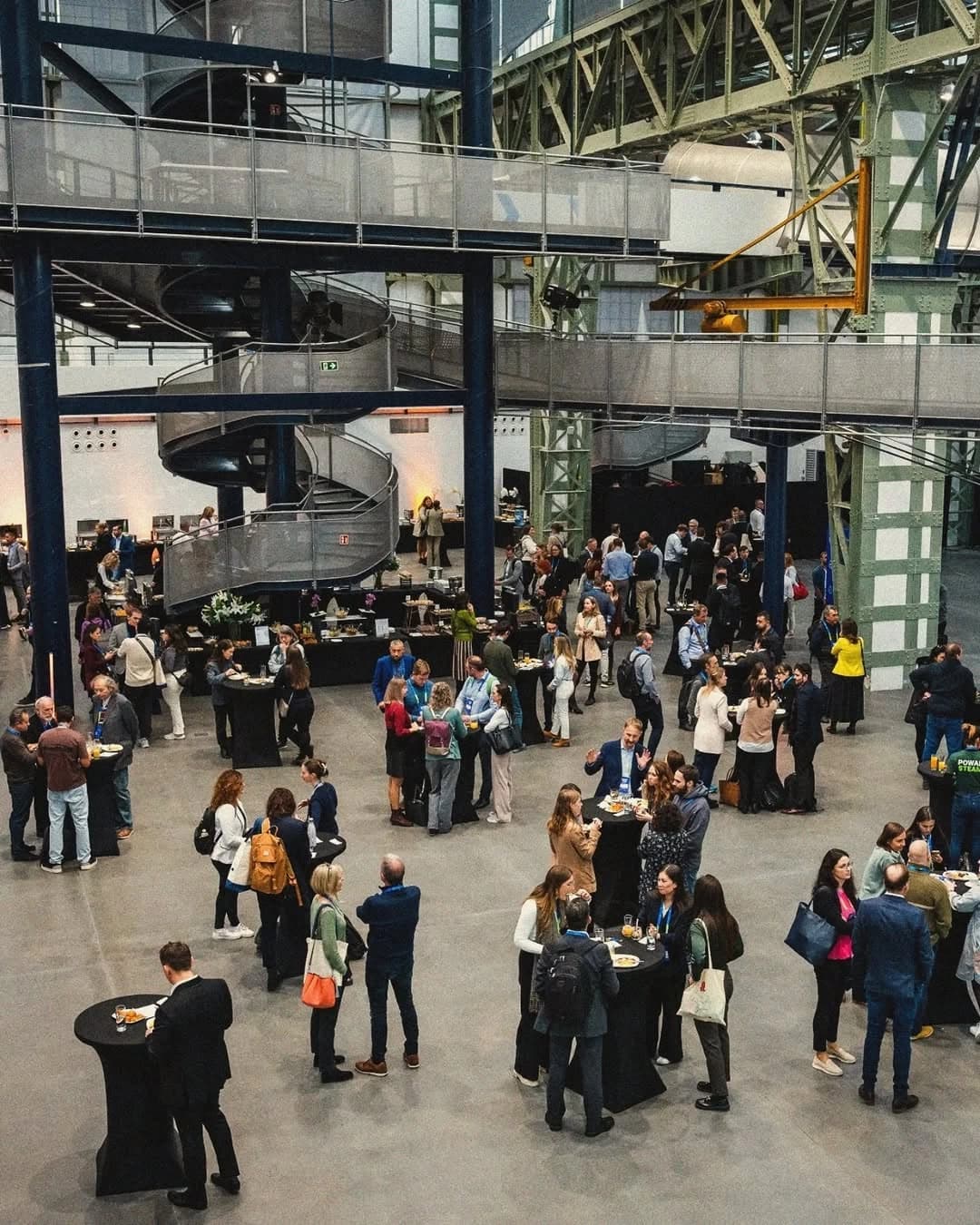
“Cool” events aren't about expensive venues or flashy activations. They're about giving the right people a reason to show up, something worth experiencing, and a reason to keep talking afterward.
“Cool” is not a line item in an event budget.
You can't put $20,000 next to cool and expect the event to deliver.
And you definitely don't get there by putting a neon sign in the corner, ordering an open bar, and calling it experiential marketing.
For field marketers, a cool event is an event people want to attend, want to stay at, and want to talk about afterward.
It gives the right people a reason to show up.
It gives them something worth doing once they're there.
And it gives your sales team a reason to follow up afterward.
That means the best field events sit at the intersection of experience, audience, creativity, and pipeline.

Traditional trade show booths, generic webinars, white papers, and digital retargeting still have their place.
But when enterprise buyers are dealing with increasingly complex buying committees and more digital noise than ever, a physical experience gives you something digital marketing can't:
The chance to let someone experience the value of what you're selling.
Cvent found that 68% of marketers surveyed rank events as their most effective marketing channel, while 72% say deals close faster when prospects attend events. Another 74% say they can trace pipeline directly to event touchpoints.
Cvent's 2026 research also found that workshops, dinners, and experiential activations rank among the event formats reporting the strongest ROI.
So how do you actually plan these ‘cool’ events?
Start with the problem you're trying to solve.
1. Don't Start With “What's a Cool Event?”
Start with: “What's stopping our customers from buying?”
This is one of the biggest differences between a field marketer planning an event and someone planning a party.
You're not picking an experience because it looks good on Instagram. You're choosing an experience because it solves a specific problem in the sales journey.
The best way to start is to think about three common situations:
Problem 1: “They don't understand the product.”
This happens often with technical products.
A prospect might understand your pitch but still struggle to visualise how your product works in their environment.
Or they're worried about implementation.
Or they don't want to take the risk of being the person who chose the wrong solution.
So you give them an experience instead.
Cool event concept: interactive hack simulations or mobile demo tours.
Problem 2: “We can't get senior decision-makers in the room.”
Your sales team has sent the emails. The SDRs have followed up. The executives still aren't taking meetings.
Hold your horses and stop asking them to take another sales meeting.
Cool event concept: an unpitched executive dinner or roundtable where the value is the conversation, not the product presentation.
Problem 3: “We're getting drowned out at the trade show.”
Your competitors are three booths away.
Everyone has a giant screen.
Everyone has branded tote bags.
Everyone is offering the same coffee.
Your target account has 400 other things competing for their attention.
Cool event concept: a pop-up showroom, branded lounge, or legally permitted guerrilla activation outside the convention floor.
The basic framework looks like this:

The event format follows the problem. Not the other way around.
2. Give People Something to Do
One of the easiest ways to make an event forgettable is to make everyone sit and listen.
A cool event gives people something to experience.

That doesn't mean you need a massive production budget. Just make sure the attendees aren't just passive audience members.
Here’s how:
Try an Interactive Hack Simulation
Let’s imagine you're a cybersecurity company.
Instead of standing behind a booth explaining how your platform stops attacks, you give prospects a simulated network breach.
They get to interact with the scenario.
They see the problem.
Then they see your product respond to it.
That's a completely different experience from: “Let me show you our 27-slide product deck.”
A strong setup could use a 20x30 booth footprint with eight simulation terminals, four trained booth staff, two senior solutions engineers, and a quieter consultation area for post-simulation conversations.
Each simulation runs on a seven-minute cycle, allowing attendees to move through the experience without creating long queues.
That right there is ‘cool approved.’
But…the audience also matters. So always be keen on that.
The format above works particularly well for technical buyers such as CTOs, CISOs, and systems architects. So think about how you can do it for your industry.
All in all, the principle still stands: The experience creates the conversation.
3. If You're Hosting Executives, Don't Pitch Them
Executive dinners are one of the clearest examples of an event where less branding can create more value.
The format:
Invite-only
Highly curated guest list
Around 12 people per table
8 target prospect executives
2 existing customer advocates
2 host executives
Welcome reception
45-minute moderated discussion
Dinner
No product pitch
Cool concept: Use existing customers as advocates because peer validation carries a different kind of credibility in an executive room than a formal vendor presentation.
The topic should also be bigger than your product.
Talk about the industry problem your buyers are dealing with.
Talk about what is changing.
Talk about the decisions executives are struggling with.
Then let the product enter the conversation naturally.
Think of it this way: You’re creating a room executives would want to be in even if your company wasn't selling anything.
4. Get People Out of the Convention Hall
Sometimes the best event at a conference isn't inside the conference.
If everyone is fighting for attention on the same convention floor, move somewhere else.
Turn things up:
Build a Pop-Up Showroom
A pop-up showroom gives attendees a place to escape the noise.
Examples:
A storefront near the convention center
Comfortable seating
Hands-on product demos
Private meeting rooms
Good coffee
Longer opening hours
A reason to stay
A useful model is to run the space from roughly 8 AM to 8 PM so it captures traffic before and after the main conference.
Promotion happens through ABM outreach, street teams, and geofencing around the convention center.
The strategic lesson is simpler: Get people out of the chaos. You bought them time.
5. Bring the Experience to the Customer
Sometimes asking people to come to you is the friction. So don't. Bring the event to them.
Build a Mobile Demo Tour
A mobile demo tour takes a functional product experience directly to target accounts.
That might mean:
A 53-foot commercial trailer
A clinical simulation vehicle
Product demonstration facilities
Engineering consultation spaces
Deal-closing lounges
The tour can move across 10 to 15 target cities, with stops lasting two to five days.
A typical team might include:
1–2 product specialists
1 sales engineer
2 hospitality coordinators
1 tour manager
The experience works because it removes travel from the equation.
A clinician doesn't need to travel across the city to test the product.
An engineer doesn't have to spend an entire day away from work.
They walk outside their building, and the product is there.
Lesson: Find the friction. Remove it.

6. You Can Even Steal Attention From a Competitor
This one is more unconventional.
Imagine your biggest competitor is hosting its annual conference.
Hundreds of your potential customers are already there.
Instead of trying to compete for attention inside the convention hall, create a separate experience outside it.
Cool concept: Use a branded mobile coffee truck positioned legally on public streets near a competitor's event.
Offer premium coffee and a simple message:
“Switching is easier than you think.”
Let attendees move into a five-minute product demonstration.
See those who convert.
You don't have to accept the event format your competitor created.
Obviously, you need the proper permits and need to operate within local rules, but think outside the box.
7. Get the Right People There
A brilliant event with the wrong audience is still a bad event.
As a field marketer, you shouldn't rely on broad promotion when the goal is to influence enterprise accounts.
This is where Account-Based Marketing comes in. Instead of: “Come to our event!”
Say: “We built this experience for people dealing with this specific problem.”
A practical account-targeting structure could look like this:
1:1 Strategic ABM
5–10 accounts
Use:
Fully customised content
Executive engagement
Bespoke physical touchpoints
1:Few Cluster ABM
10–100 accounts
Use:
Industry-specific microsites
Segment-specific insights
Vertical messaging
1:Many Programmatic ABM
100+ accounts
Use:
Scaled personalisation
Account-based advertising
Dynamic retargeting
The buying committee matters too.
An enterprise account isn't one person.
A complex B2B purchase often involves multiple stakeholders, so your messaging needs to change depending on who you're inviting.
For CFOs,
Talk about:
Financial return
Total cost of ownership
Capital efficiency
ROI
For CTOs / IT Directors,
Talk about:
Architecture
Security
Integration
Implementation
Compliance
For VPs of Operations,
Talk about:
Workflow
Scalability
Efficiency
Risk
Same event.
Different reason to attend.
8. Don't Send One Invitation and Hope for the Best
Enterprise executives are busy.
Your event needs a recruitment strategy, not a single email blast.
A useful field marketing warm-up can run across four weeks. Here’s how:
Four weeks out: Build credibility
Use LinkedIn Thought Leader Ads from executive profiles rather than relying only on the company page.
Promote:
Industry research
The event theme
A relevant point of view
The goal is to establish relevance before asking for the RSVP.
Three weeks out: Send something physical
For high-value accounts, consider dimensional direct mail.
A useful planning range is roughly 50–100 per executive for physical teaser packages.
One example is a locked box where the combination or digital unlock code is only provided at event check-in.
The point isn't the box. It's giving someone a reason to remember your invitation.
Two weeks out: Make it personal
Have Account Executives send customised 60-second videos.
Not: “Hi John, we'd love to invite you to our event.”
Instead: “I know your team is dealing with X. We're bringing together a few leaders dealing with the same issue, and I'd love to have you in the room.”
One week out: Give them a role
Invite priority prospects to contribute. They could be:
Panelists
Guest speakers
Roundtable contributors
Discussion leaders
People are more likely to show up when they're part of the event rather than simply sitting on the guest list.

9. Start Planning Six Months Out
“Cool” events often look effortless. The planning is not.
For a serious field activation, you need a lifecycle.
6+ months out: Foundation
Define:
Campaign objectives
Pipeline goals
Revenue attribution
Target Account List
Ideal Customer Profile
Intent signals
Event format
Baseline budget
This is where you decide why the event exists.
3–6 months out: Programming
Now source the experience.
Secure the venue
Scout pop-up locations
Source mobile vehicles if needed
Curate speakers
Find executive moderators
Identify customer advocates
Find co-branding partners
Finalise messaging
Build technical content
1–3 months out: Logistics + ABM
This is where things get real.
Launch the ABM cadence
Send direct mail
Run thought leader ads
Start executive video outreach
Contract the venue
Secure permits
Confirm AV
Define Wi-Fi requirements
Build interactive experiences
Hire event staff
Confirm product specialists
One week out: Break everything
Not literally. Stress-test it.
Run the technology.
Test the simulations.
Rehearse the experience.
Brief every staff member.
Walk through check-in.
Practice the engagement flow.
Activate contingency plans.
Event day: Execute
You need to manage:
Guest check-in
Lead capture
Live demos
Simulations
Roundtables
Hospitality
Staff movement
Real-time engagement data
One week after: Close the loop
Don't disappear after the last attendee leaves.
Run the retrospective.
Transfer qualified leads.
Review expenses.
Start attribution tracking.
And get sales moving.
10. Don't Pick a “Cool” Venue Without Auditing It
A rooftop looks cool, until your demo equipment needs more power than the building can provide.
A gallery looks cool, until you discover the Wi-Fi isn't reliable enough to run your product demo.
A retail storefront looks cool, until you realise your trailer can't fit through the loading entrance.
Non-traditional venues require more due diligence, not less.
Before signing, audit four things:
Power
Check:
Dedicated circuit wattage
Amp capacity
AV requirements
Simulation equipment
VR hardware
Catering equipment
You don't want to discover the electrical limitations on event day.
Connectivity
Confirm you have dedicated, private high-speed connectivity.
Don't build an important live product demonstration around the venue's public Wi-Fi.
Acoustics
Measure ambient noise.
If you're hosting an executive roundtable, people need to hear one another.
If you're running a complex demo, your audience shouldn't have to compete with the DJ in the next room.
Load-in
Check:
Freight elevators
Weight limits
Door dimensions
Loading docks
Parking permits
Trailer access
Union labor requirements
Load-in and load-out windows
The coolest venue in the city isn't worth much if you can't get your event inside it.
11. Budget for the Experience, Not Just the Venue
A cool event can get expensive quickly.
A useful starting allocation looks like this:

These are planning benchmarks, not universal rules.
Your budget should change based on the format.
A mobile demo tour has completely different costs from a 12-person executive dinner.
A guerrilla coffee activation has completely different costs from a pop-up showroom.
The point is to decide where the money needs to go before you're halfway through the build.
And remember that experiential campaigns often require more time, manpower, and production spend than standard marketing channels. We recommend building measurement into the campaign from the beginning rather than treating ROI analysis as an afterthought.
12. Watch the Fees Nobody Puts in the Headline Price
The venue says:
$20,000.
Your final invoice says:
Surprise!
Venue contracts can contain additional charges that materially change the real cost.
Watch three areas in particular:
Food and beverage fees
Service charges and mandatory gratuities can add substantially to base catering costs before applicable taxes.
Ask for every service charge and tax to appear in the initial estimate.
Electrical fees
Some venues charge for power based on outlets, amperage, or usage periods.
Audit your power needs before signing and negotiate electrical access into the venue agreement where possible.
Union labor
Some venues have strict rules around:
AV
Rigging
Freight
Load-in
Load-out
Miss the scheduled window, and you might be looking at overtime or weekend penalties.
Map those hours into the budget before event day.
Venue surcharges can also materially increase total spend when they aren't addressed during negotiations.
Get the full cost before you sign.
13. Don't Let the Event Die After the Event
This is where a lot of field marketing programs lose money.
The event goes well.
Everyone has a great time.
Then the leads sit in a spreadsheet for two weeks.
By the time sales follows up, the momentum is gone.
Set the SLA before the event.
For SQLs and executive attendees, aim for personalised follow-up within 24–48 hours.
And please don't send: “Thanks for attending our event!”
Your sales team has information. Use it.
If someone completed a hack simulation, mention the result.
If they contributed to the executive roundtable, reference the conversation.
If they redeemed a direct-mail activation, mention it.
The follow-up should make it obvious that someone remembers the interaction.
14. Score Leads Based on What They Actually Did
Not every attendee has the same level of intent.
A person who visited the registration page isn't the same as someone who spent 25 minutes in your product demo.
Use behavioural scoring:

High-intent actions could include:
Completing a hands-on hack simulation
Attending an executive dinner
Completing a clinical or hardware evaluation
Moderate-intent actions could include:
Spending 15+ minutes in a pop-up showroom
Completing a product demo
Attending a co-created panel
Passive actions could include:
Receiving direct mail
Clicking a retargeting ad
Visiting the registration page
Then map each tier to a different sales workflow.
High-intent leads might go directly to an AE.
Moderate-intent leads might enter a personalised follow-up sequence.
Passive leads might move into nurture.
The goal is to give sales a much clearer picture of who actually engaged.
15. Measure Pipeline, Not Applause
A room full of happy people is nice. Unfortunately, it's not enough.
You need to understand whether the event moved the business forward, so track:
Sourced pipeline
Opportunities and revenue directly initiated by an attendee's interaction with the event.
Influenced pipeline
Existing opportunities that moved forward because a decision-maker attended or engaged with the event.
Don't stop there.
Track:
Lead quality
Meeting conversion
Sales cycle length
Opportunity conversion
Dwell time
Demo participation
Executive attendance
Cost per lead
Pipeline generated
Closed revenue
Current Cvent research found that 70% of B2B marketers use engagement metrics such as attendance, participation, and digital interactions to measure event impact, while 46% use revenue-based ROI.
And 48% of brands surveyed by Cvent reported experiential marketing ROI between 3:1 and 5:1.
The important part is not picking one industry benchmark and declaring your event successful.
It's deciding what success means before you spend the money.
A cool event should be memorable.
It should also be measurable.
16. Turn One Event Into Six Months of Content
Here's another thing field marketers often leave on the table.
You spent weeks getting the right people into a room.
Don't let the content disappear when the room clears.
Repurpose it.
Executive dinner → Research
Turn the themes and insights from the roundtable into:
Industry reports
White papers
LinkedIn content
Blog posts
Keynote → Sales enablement
Cut expert presentations into short videos your sales team can use during opportunity nurturing.
Panel → Lead generation
Turn the recording into an on-demand session.
Event conversations → Social content
Pull out:
Strong audience questions
Expert opinions
Unexpected insights
Customer stories
Short video clips
Now your physical event has a digital life.
The event becomes more than one evening on the calendar.
It becomes a content engine.
So, What Actually Makes an Event “Cool”?
It's not the venue.
It's not the branded merch.
It's not the cocktail menu.
It's not whether someone posts a photo of it.
A cool field marketing event does a few things well:
It knows exactly who it's for.
It solves a real problem.
It gives people something worth experiencing.
It removes friction.
It creates a room people actually want to be in.
It makes the brand useful instead of loud.
And it gives sales a real reason to continue the conversation afterward.
That's why an interactive hack simulation can be more useful than a beautiful booth.
Why an unpitched dinner can create a stronger executive conversation than a product presentation.
Why a storefront next to a convention center can give you more time with prospects than a booth inside it.
And why a coffee truck outside your competitor's conference can create a different kind of conversation than another branded banner inside the hall.
The goal isn't to make your event look cool.
The goal is to make the experience so relevant that the right people want to be there.
And once they're there, your job is to make every part of the experience work.
From the first invitation to the final sales follow-up.
That's field marketing.
And that's where the operational side matters.

Mingloft helps field marketing and event teams manage the moving parts behind the experience, from budgets and tickets to tasks, attendees, vendors, sponsors, and event logistics.
Mingloft Team
Event planning insights and platform updates from the Mingloft team.
Share